

AI-powered search no longer works by ranking pages alone. It reads content, evaluates trust, and selects sources it can reuse in answers.
This guide explains how to write AI-friendly content writing that AI systems can clearly understand, trust, and quote in AI-generated answers.
What Is AI-Friendly Content Writing? (Quick Answer)
AI-friendly content writing is the practice of creating clear, structured, and fact-based content that directly answers user questions. It focuses on accuracy, source-backed information, and visible expertise so AI systems can safely reuse the content in summaries and answers.
In simple terms, it is content written for humans first, but structured in a way that AI can easily read, verify, and quote.
How AI Understands and Selects Content to Quote
AI systems are built to answer questions accurately and efficiently. To do this, they evaluate meaning, relevance, and trust before selecting a source.
How AI Interprets Content Meaning
AI uses natural language writing patterns to understand context. It analyzes how ideas connect across paragraphs rather than counting keywords.
In real-world content audits, pages written with context-aware explanations consistently perform better than pages optimized only for keywords.
Signals AI Uses to Trust a Source
AI looks for fact-based content supported by credible references.
Clear author attribution also plays a role. When expertise and responsibility are visible, AI is more confident using the content as a citation source.
What Makes Content “Quotable” for AI Systems
AI quotes content that is easy to extract and safe to reuse. Clarity and usefulness matter more than clever wording.
Clear Structure and Structured Answers
Headings that answer specific questions help AI locate relevant sections quickly.
Concise explanations improve the chances of a paragraph being reused as a standalone answer in AI-generated responses.
Authority and Accuracy Signals
Expert-written content supported by accurate data sources signals reliability.
Trustworthy content signals often come from consistency, transparency, and a clear educational intent.
How to Write Content for AI Search Without Over-Optimization
AI search rewards usefulness over aggressive optimization. The goal is to write naturally while keeping structure clear.
Writing in a Natural, Conversational Style
Content should match informational search intent.
A conversational content style helps explain ideas clearly without sounding promotional or artificial.
Avoiding Keyword Stuffing and Forced Optimization
Semantic SEO works better than repetition.
When content relevance signals are strong, AI understands the topic without forced keyword placement.
How AI Chooses Citation Sources in AI-Generated Answers
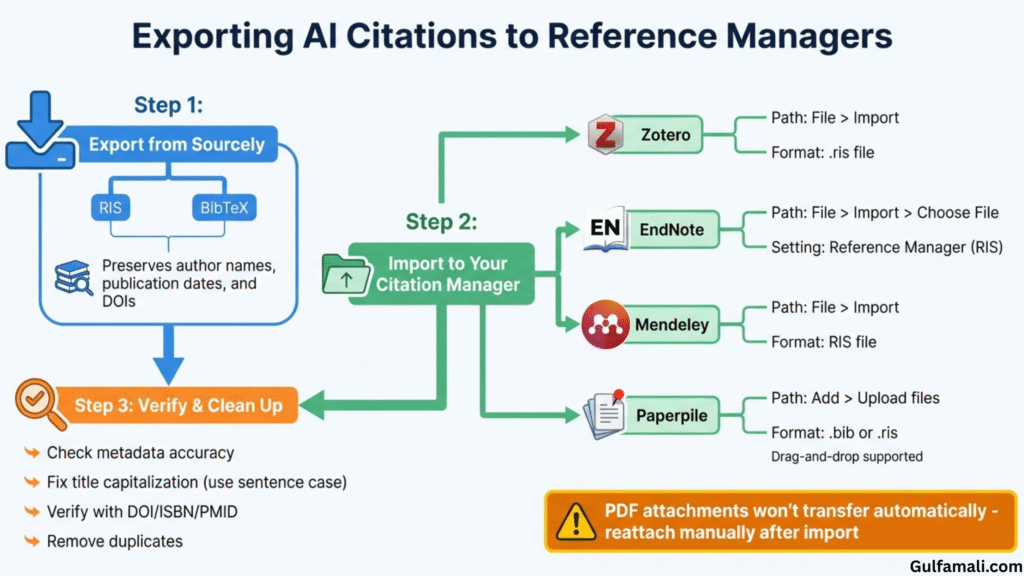
AI does not randomly choose sources. It selects content that reduces risk and improves answer quality.
Why AI Prefers Source-Backed Information
Source-backed information allows AI to verify claims.
Content supported by credible references is less likely to be misleading, making it safer to quote.
Role of Topical Authority and Consistency
Topical authority is built by covering a subject consistently and in depth.
Entity-based optimization helps AI understand who the content is about and why it is trustworthy over time.
Practical Framework for AI-Friendly Content Writing
Use this framework to create content AI can confidently quote.
Step 1 – Define the Exact Question Your Content Answers
Each page should focus on one main question.
Pages that mix multiple intents often confuse both readers and AI systems.
Step 2 – Structure Content for Fast Understanding
Use clear headings and logical sections.
This improves content clarity and structure for humans and AI alike.
Step 3 – Support Claims With Reliable Sources
Important statements should be backed by accurate data sources.
This increases trust and improves AI citation potential.
Step 4 – Write Clearly, Not Cleverly
Clear explanations perform better than complex language.
Content usefulness matters more than stylistic creativity.
Step 5 – Show Expertise and Transparency
Explain concepts from experience, not theory alone.
Clear author attribution reinforces trust and accountability.
Real-World Examples of AI-Friendly, Quotable Content
Some content formats consistently perform well in AI-driven search.
Educational guides work because they explain concepts step by step.
How-to articles with clear steps are easy for AI to extract.
Explainer content with definitions provides reusable answers.
Example of a Well-Structured Answer Section
A short definition followed by a brief explanation is highly quotable.
This structured answers format helps AI reuse content accurately.
Example of Source-Supported Explanations
When explanations include references or data points, AI treats them as safer sources.
This directly improves AI content visibility.
Common Mistakes That Prevent AI From Quoting Content
Several issues reduce the chances of being quoted.
Writing vague or opinion-only content limits trust.
Lack of sources makes verification difficult.
Overusing keywords unnaturally hurts clarity.
Poor heading structure reduces extractability.
Mixing multiple intents weakens focus.
No visible expertise or author context lowers credibility.
AI-Friendly Content vs Traditional SEO Content
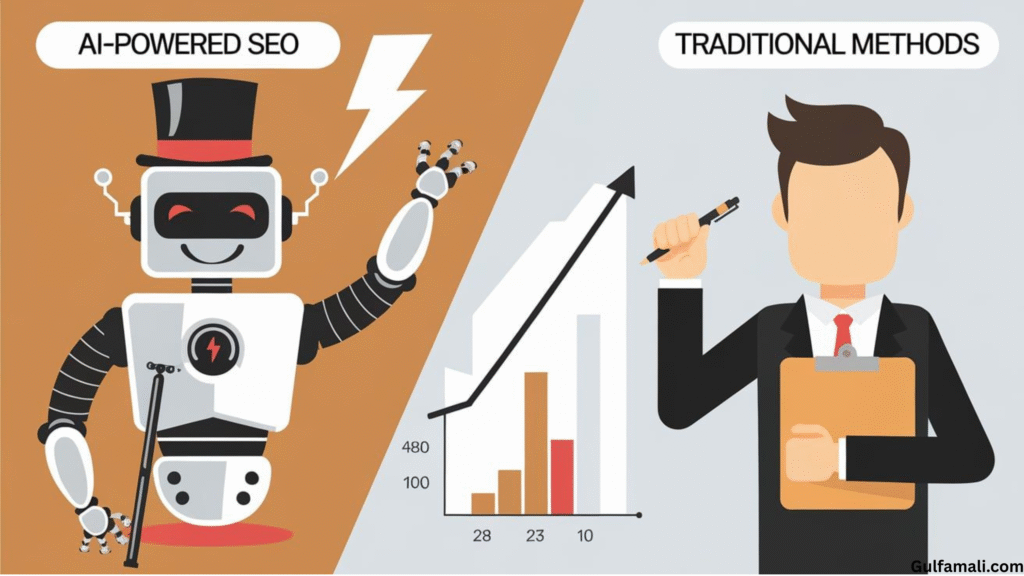
Both approaches matter, but they serve different goals.
Focus on Answers vs Rankings
Traditional SEO focuses on ranking signals, while modern approaches explained in AI SEO vs traditional SEO highlight the shift toward understanding and citations.
AI-friendly content focuses on answering questions clearly and accurately.
Structure for Understanding vs Crawling
Traditional SEO often optimizes for crawlers.
AI-friendly content is structured for understanding and reuse.
Frequently Asked Questions (FAQ)
What is AI-friendly content writing?
It is content written clearly and factually so AI systems can understand and quote it.
How does AI decide which content to quote?
AI selects content that is accurate, well-structured, and supported by reliable sources.
Does AI prefer long or short content?
AI prefers clear and complete answers, not a specific length.
Do backlinks matter for AI citations?
They can help authority, but clarity and accuracy matter more.
How important are sources for AI-generated answers?
Sources are critical because they allow AI to verify information.
Can blogs get quoted by AI search tools?
Yes, if they show expertise and provide clear, factual explanations.
Is EEAT important for AI search results?
Yes. EEAT for AI search helps AI evaluate trust and expertise.
How does AI handle conflicting sources?
AI tends to favor sources with higher consistency, authority, and clearer evidence.
Can AI quote content without backlinks?
Yes. AI can quote content based on clarity and trust, even without strong backlink profiles.
Conclusion
AI-friendly content writing is about clarity, accuracy, and structure.
Writing for understanding matters more than writing for manipulation.
If content is easy for a human to understand, verify, and reuse, it is easy for AI to quote.
About the Author
Gulfam Ali is an SEO specialist with over 7 years of experience in search engine optimization, with a strong focus on Technical SEO and organic growth. He has worked with businesses across multiple industries, managing SEO projects for clients in different countries and helping them improve Google rankings, increase organic traffic, and achieve sustainable growth.
His work includes contributions to international platforms, reflecting a strong understanding of high-quality content and SEO best practices. As the founder of GulfamAli.com, he helps businesses worldwide grow through structured SEO strategies, ethical practices, and performance-driven results.